

Research, Development, Innovation
Let’s Build the Future of Food – Together
Let’s Build the Future of Food – Together
Our urban farming living lab for R&D collaborations on social innovation and sustainable agriculture. Working on the Food Transition together with businesses, non-profits, governments, artists, universities and other change-makers.
Our Innovation Philosophy: Right-Tech
It’s easy to reach for the most advanced tool available. It’s harder, yet much more useful, to first ask whether that’s actually solving the right problem.
Solving the right problem shapes everything we build. We call our approach Right-Tech: not the most fancy and advanced solution, but the most appropriate one. Low enough to be affordable and maintainable. Intelligent enough to actually work. Designed in harmony with nature’s own strategies rather than brute-forcing a result with technology, energy and complexity.
This is how we’ve build and run our own farm since 2012, and it’s the lens we bring to every other innovation project we work on.
How we collaborate on innovation:
Every partnership starts differently – a shared idea worth researching, a grant application, a single research question or a group visit on-site. Below are the main ways in which we collaborate, each leveraging our knowledge and experience with innovation, building and testing solutions.
Joint R&D Projects
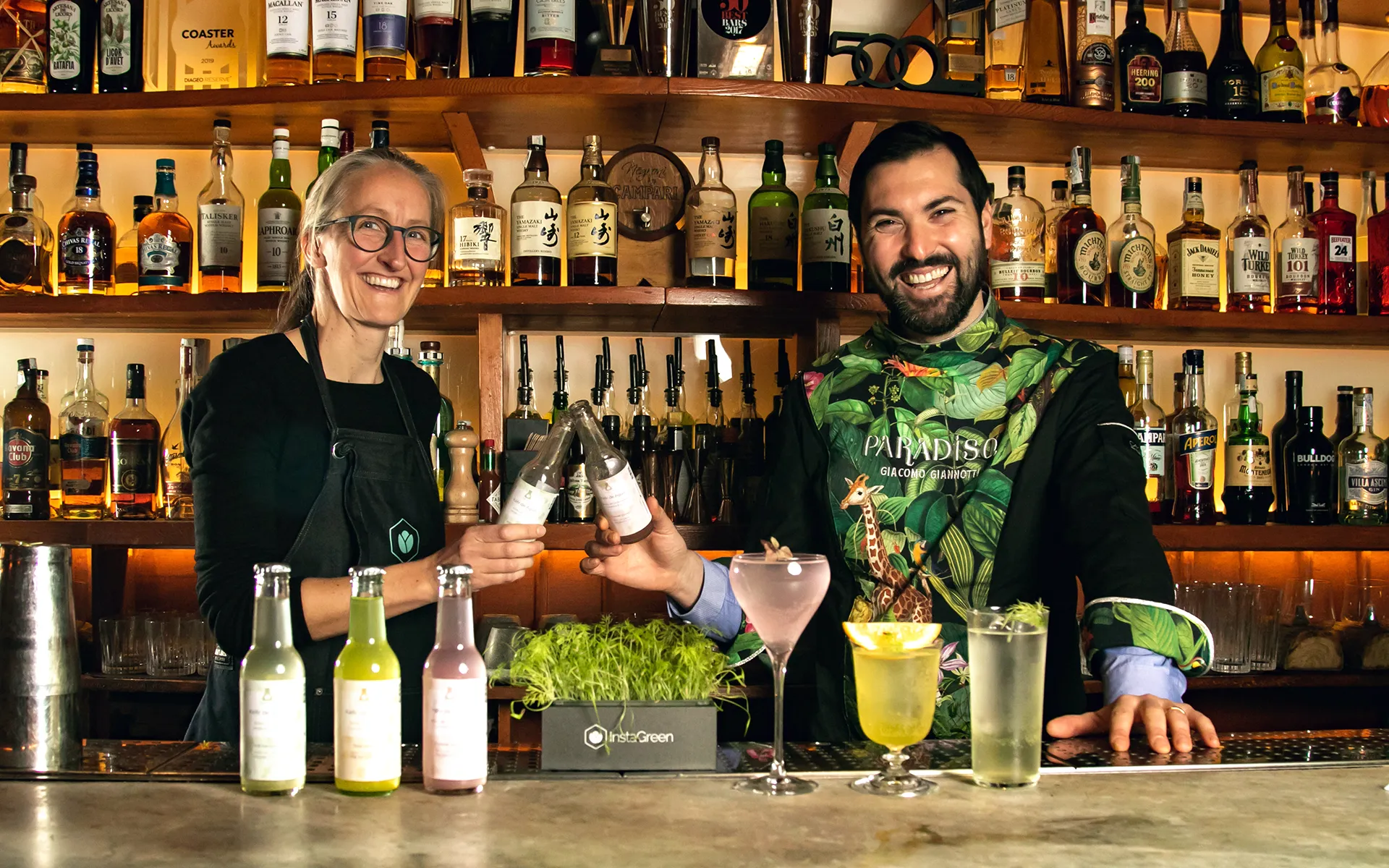
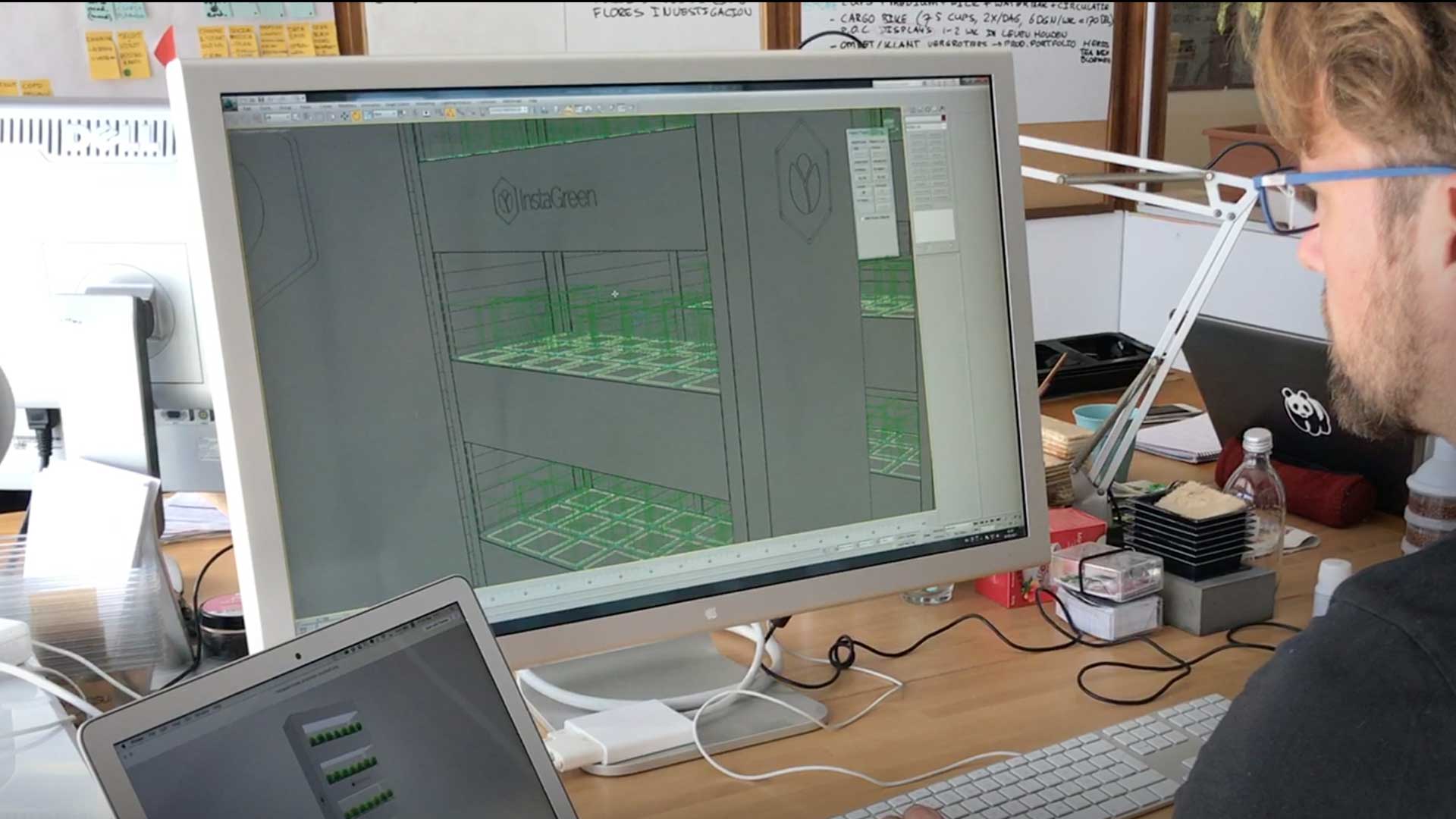
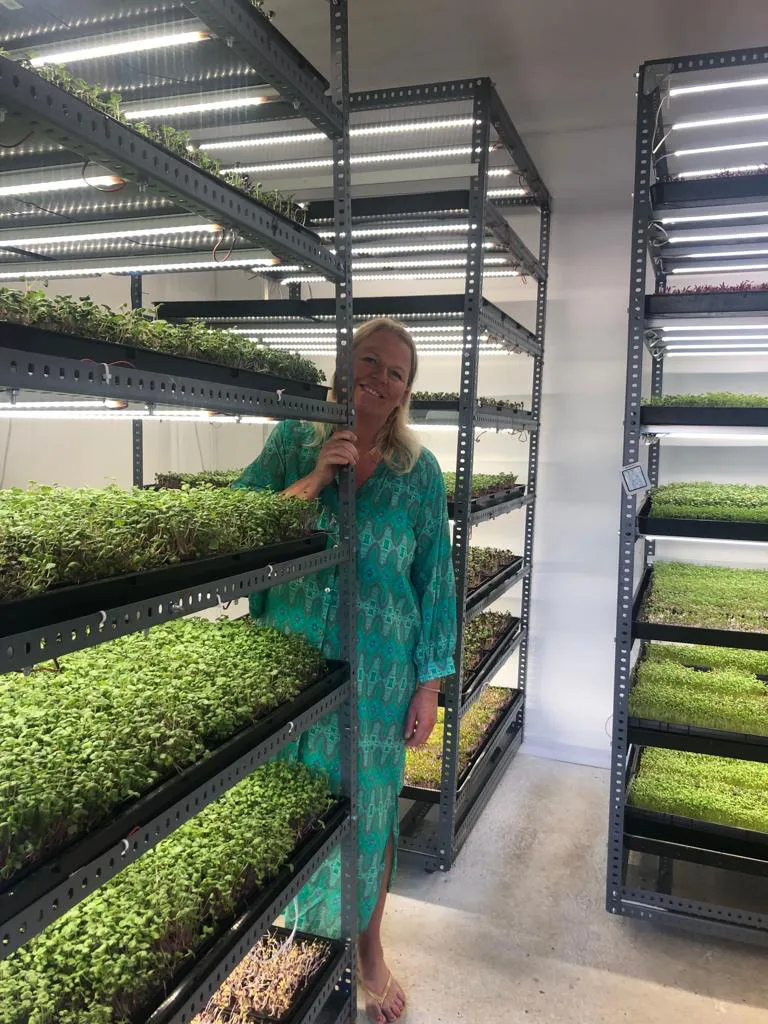
InstaGreen contributes creative industrial design engineering and a working urban farm as a real-world testbed, plus years of cultivation experience. Collaborative research, development, testing and demonstrating prototypes in a relevant operational environment.
Social innovation
Do you have a social innovation challenge that calls for creative minds? Together we can develop local agriculture and right-tech concepts for small to medium scale farming. With the possibility to pilot concepts at our farm on low-risk scale, before deploying them elsewhere.
Applied Research Hosting
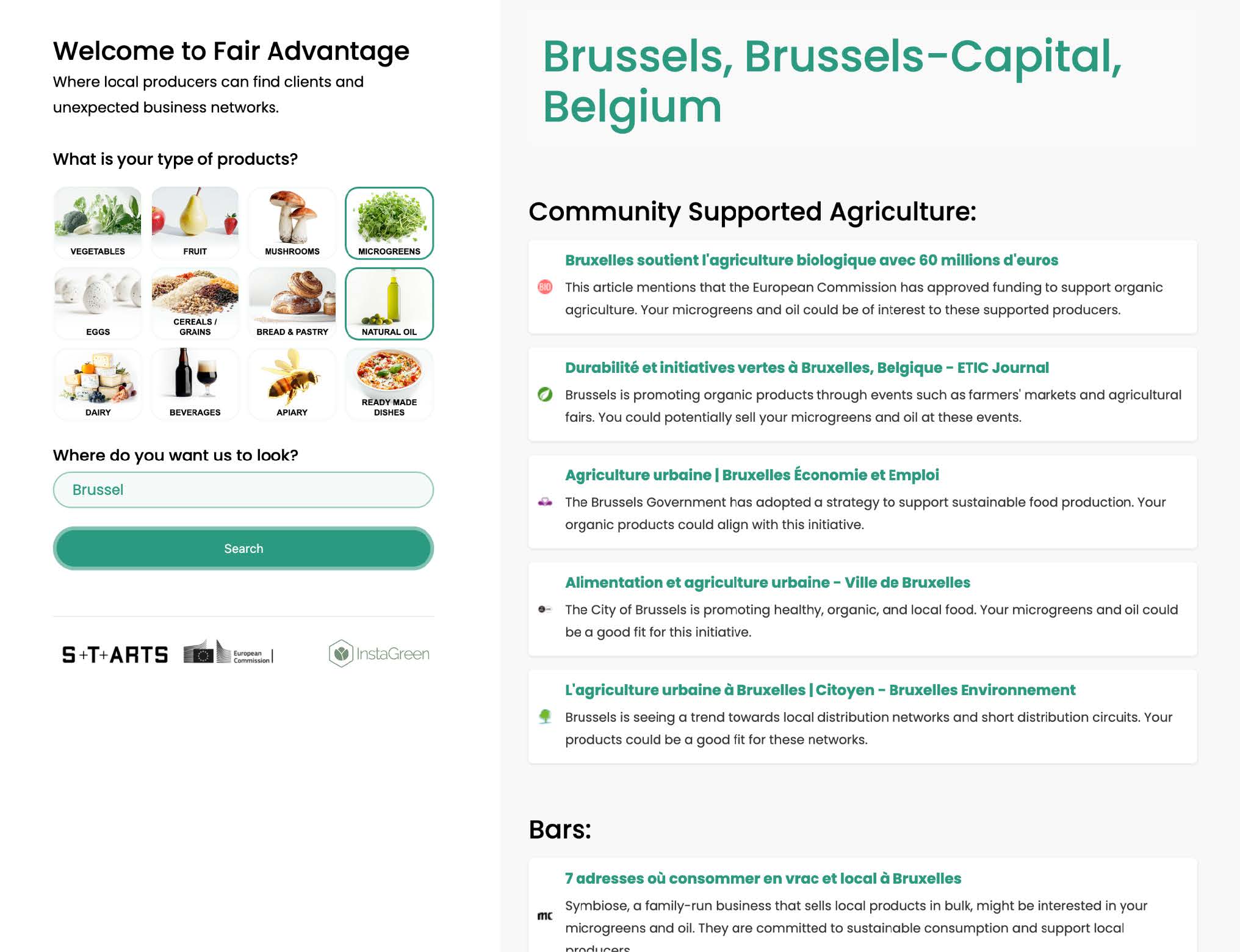
We work with and for Universities, host students and researchers on applied projects using live farm data and operations. For example, Researching and developing logistics optimisation tools with AI, Cultivation for the valorisation of new organic nutrient formulas or New-local-market search engines for our farmer network.
Workshops, Study Visits & Knowledge Exchange
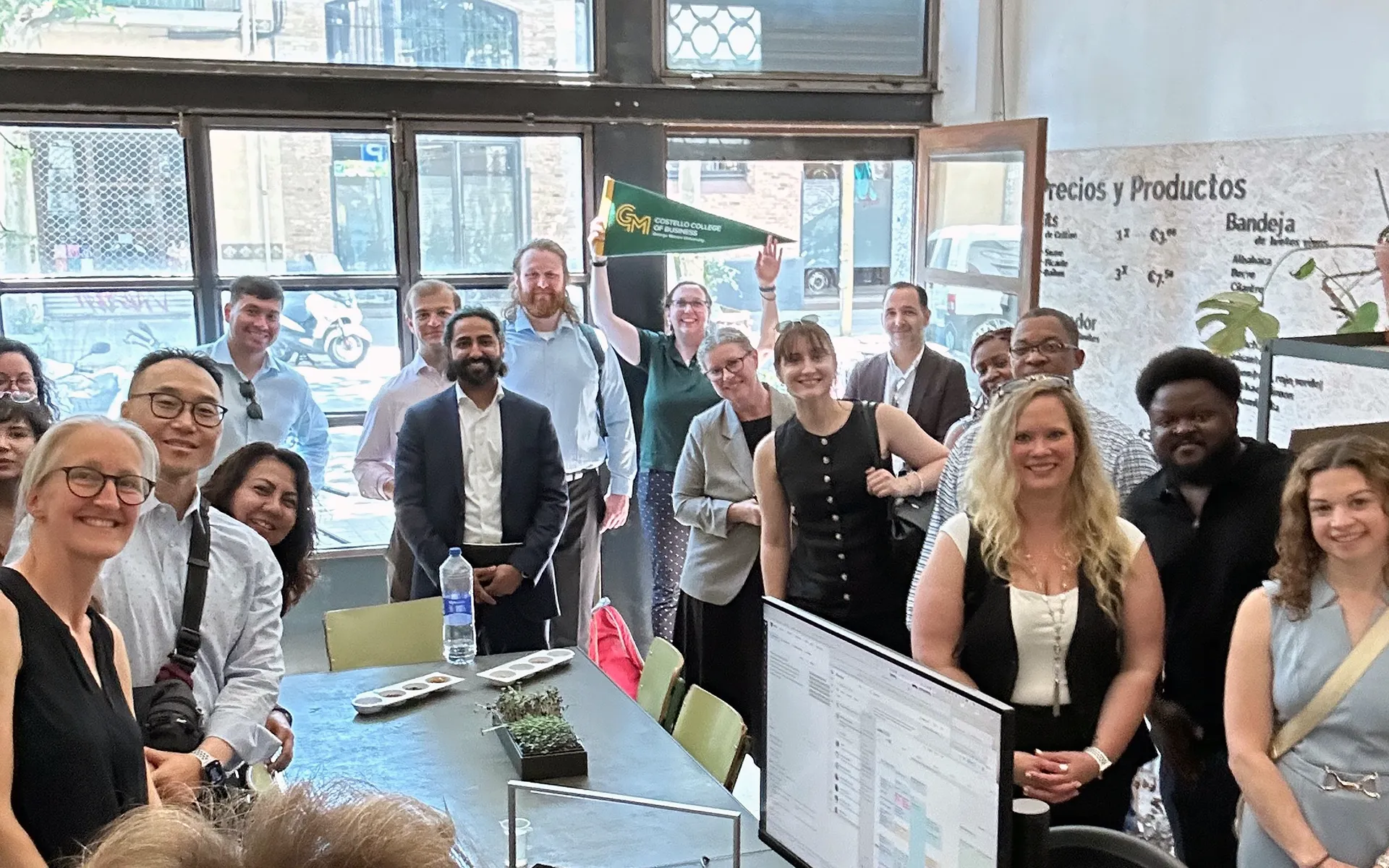
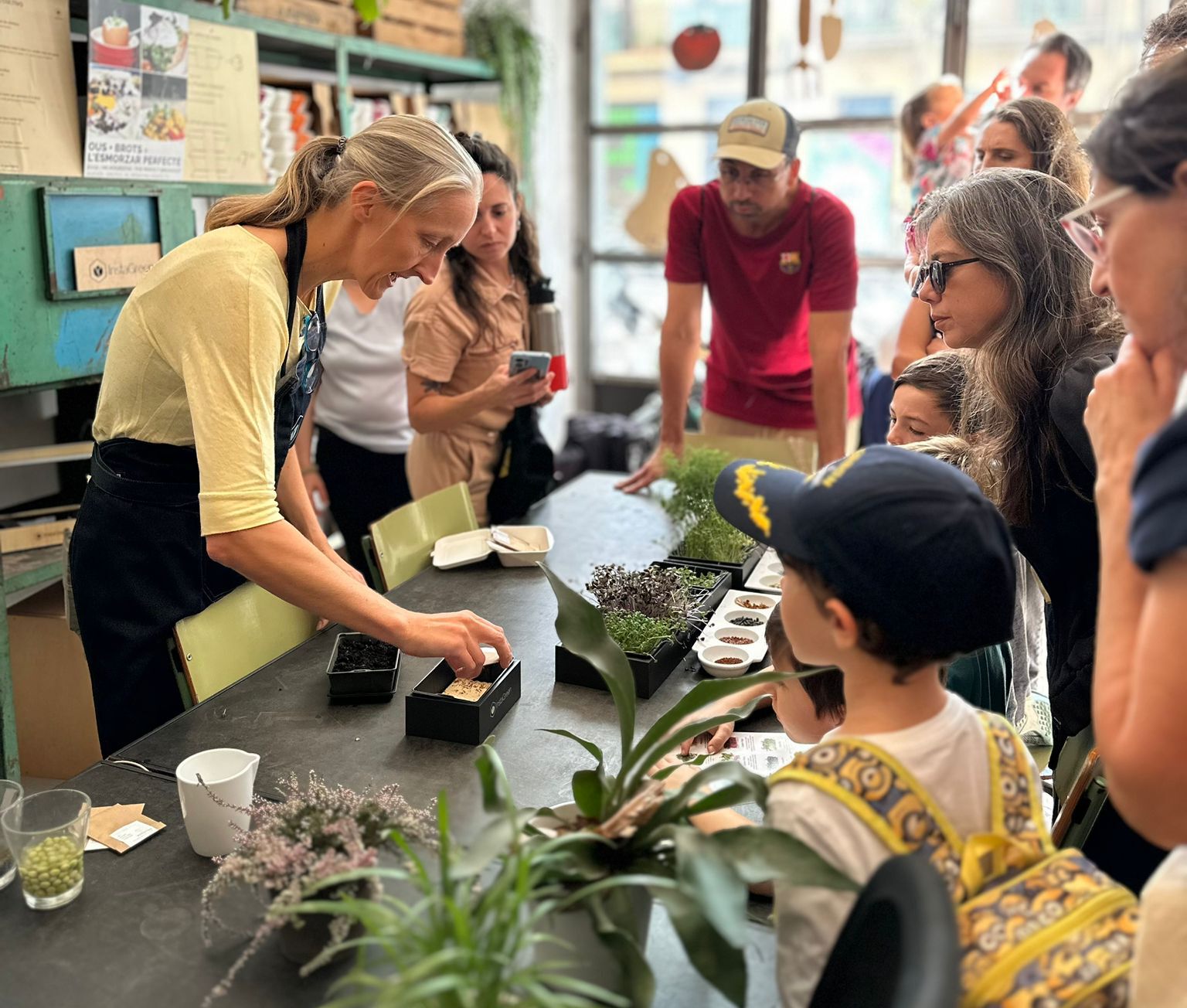
We regularly host business schools, universities and other institutions for site visits and case-study conversations. Get to see Right-Tech innovation in practice, talk with us about social innovation, startups, creative problem solving, new economy entrepreneurship and impact-over-money.
With the support of and in collaboration with:


Why partner with us:
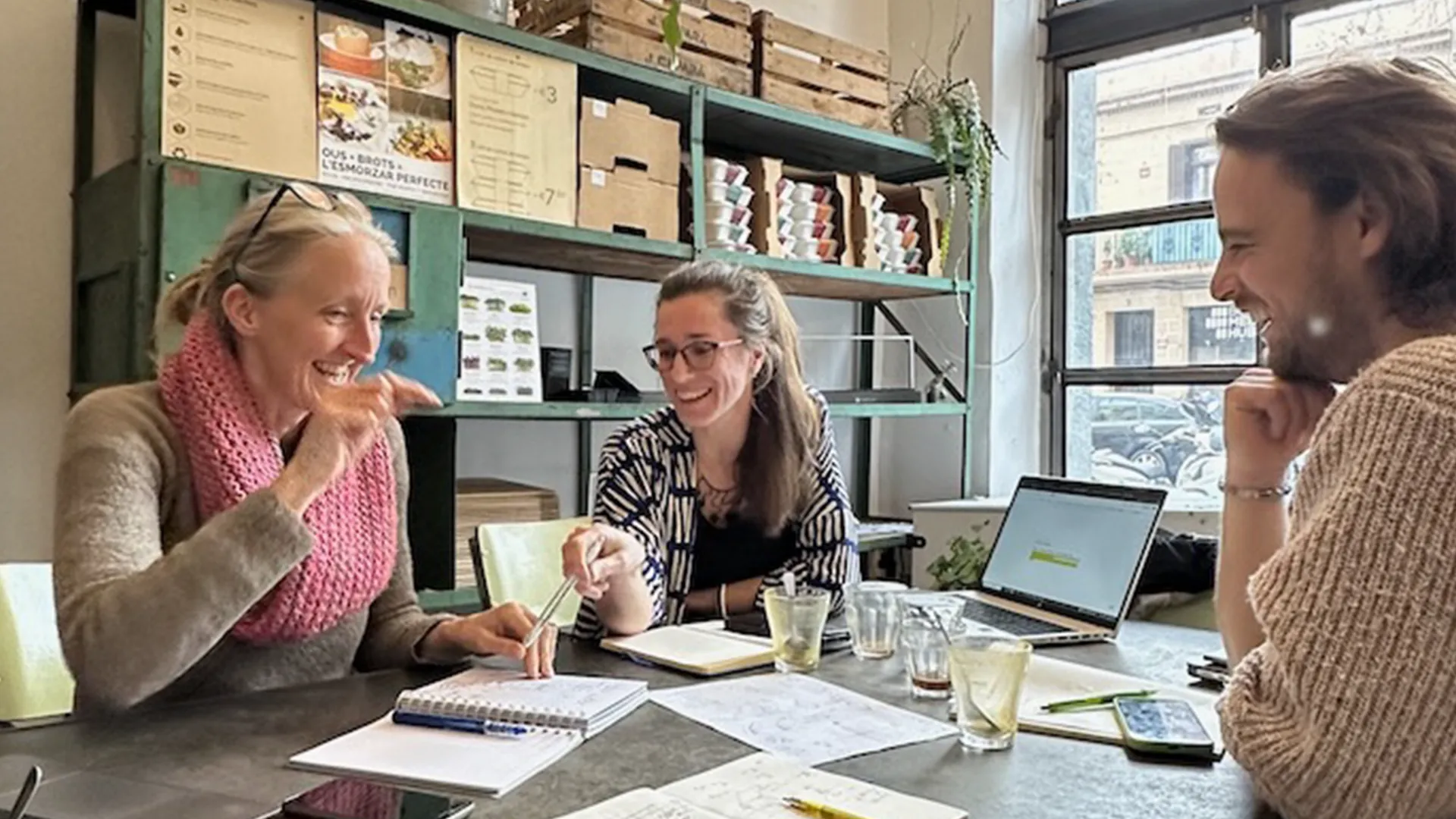
Real knowledge and experience shapes everything we do. We build, test, and refine our innovations at our own farm in Barcelona. Testing hypothesis, learning from what happens in reality, taking learnings to the next level.
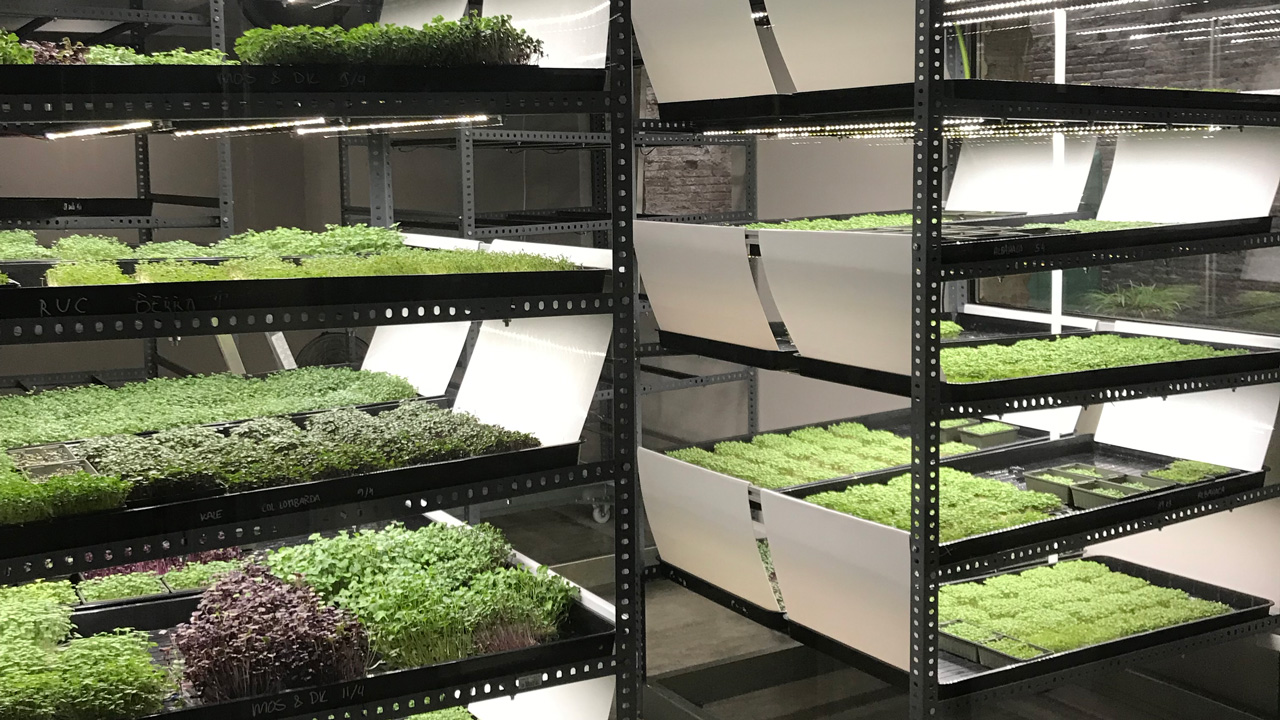
A real farm, not just a lab
Every prototype we develop gets tested under actual working conditions at the InstaGreenHouse in Barcelona, a relevant and operational environment to test and demonstrate innovative solutions
(up to TRL 5, 6 and 7).
EU-backed R&D experience
InstaGreen participated in EIT Climate KIC, Horizon 2020 and S+T+ARTS - Horizon Europe's Hungry EcoCities programme - giving us ample experience in EU project requirements, execution, grant proposals and reporting.
Cross-disciplinary by default
Our collaborators include various fields of engineering, agronomists, AI researchers, and artists. Because the best answers rarely come from one field alone and creative thinking across disciplines opens up possibilities for solutions.
Result driven and open
We aim for maximum impact in every innovation collaboration - just as InstaGreen trains entrepreneurs worldwide to spread our in-house R&D, growing the global impact of sustainable, plant-based local farming.
Learn more in a brief video call
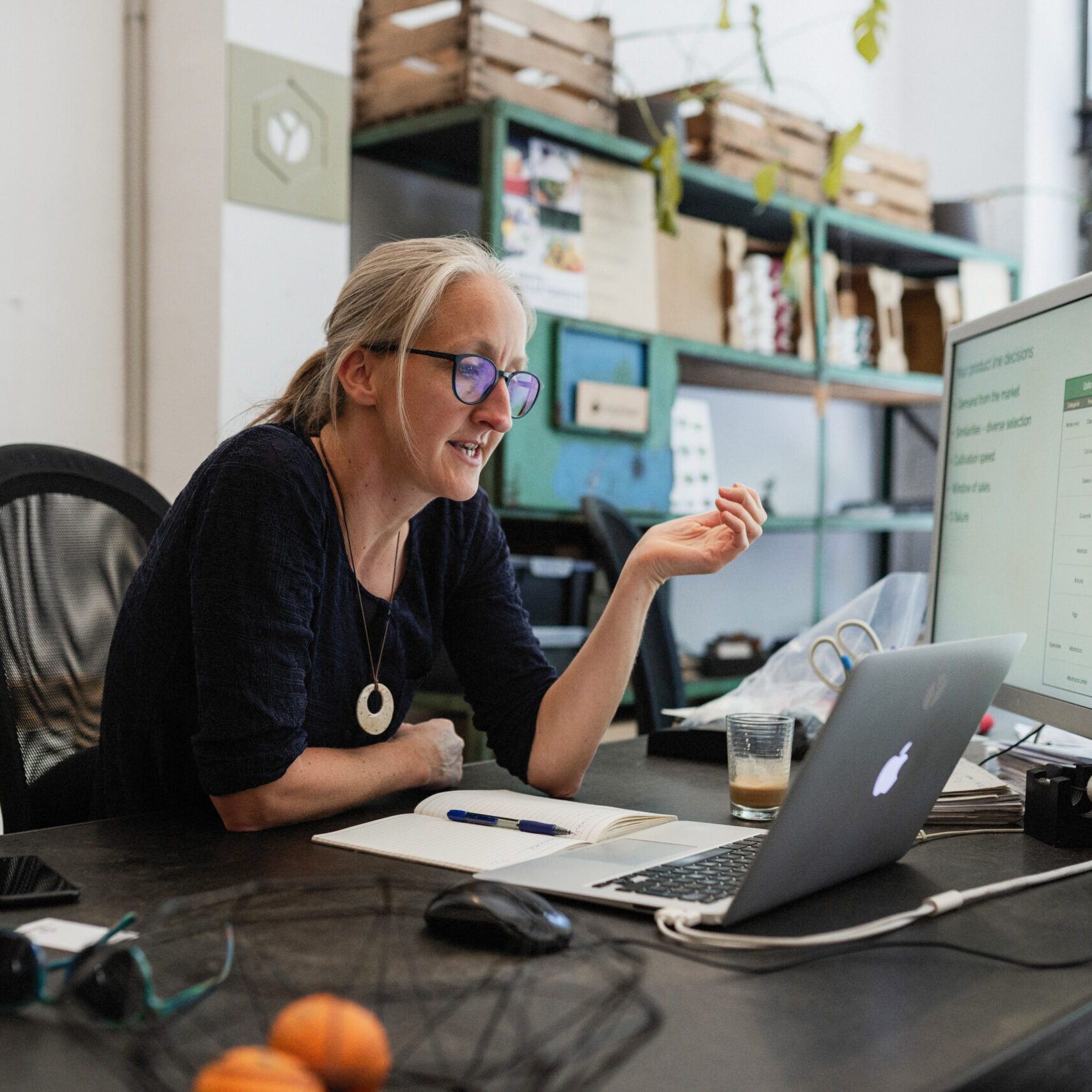
Set up a brief call to talk about our innovation & knowledge sharing and see if it fits with what you are looking for.
Proud to work on unique social innovation projects
Over the past years we have been working on amazing innovation projects and in collaboration with even more amazing people and organisations.
Here are a few examples:
What's next?
Based on the projects and fields of innovation we have built our experience around and gained deeper insights about, there are a couple of directions we are actively seeking to explore further.
Please get in touch with us if you are interested to collaborate on one or more of the following subjects :
Growing food where life is hard, a first exploration
(Emerging - actively seeking partners)
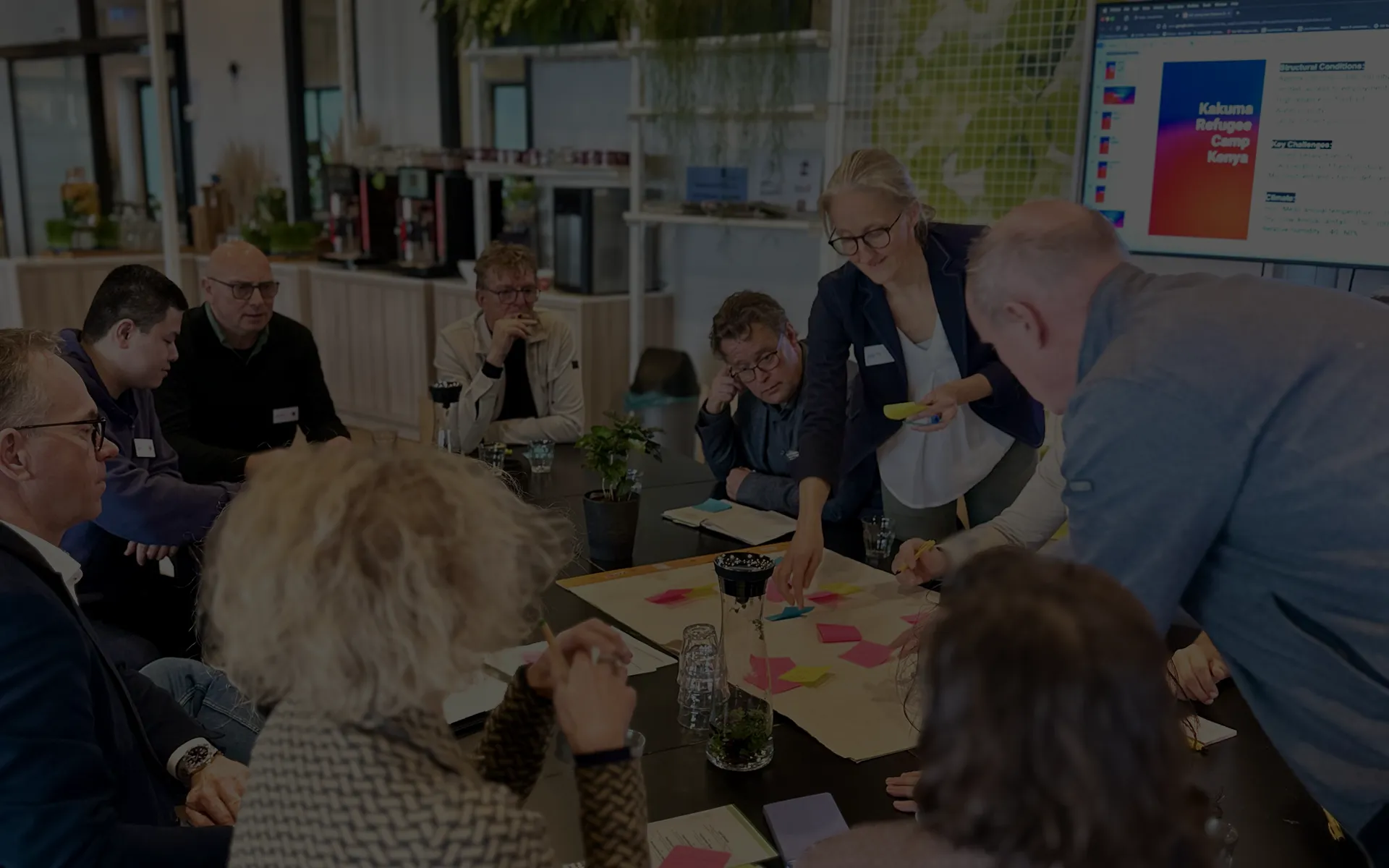
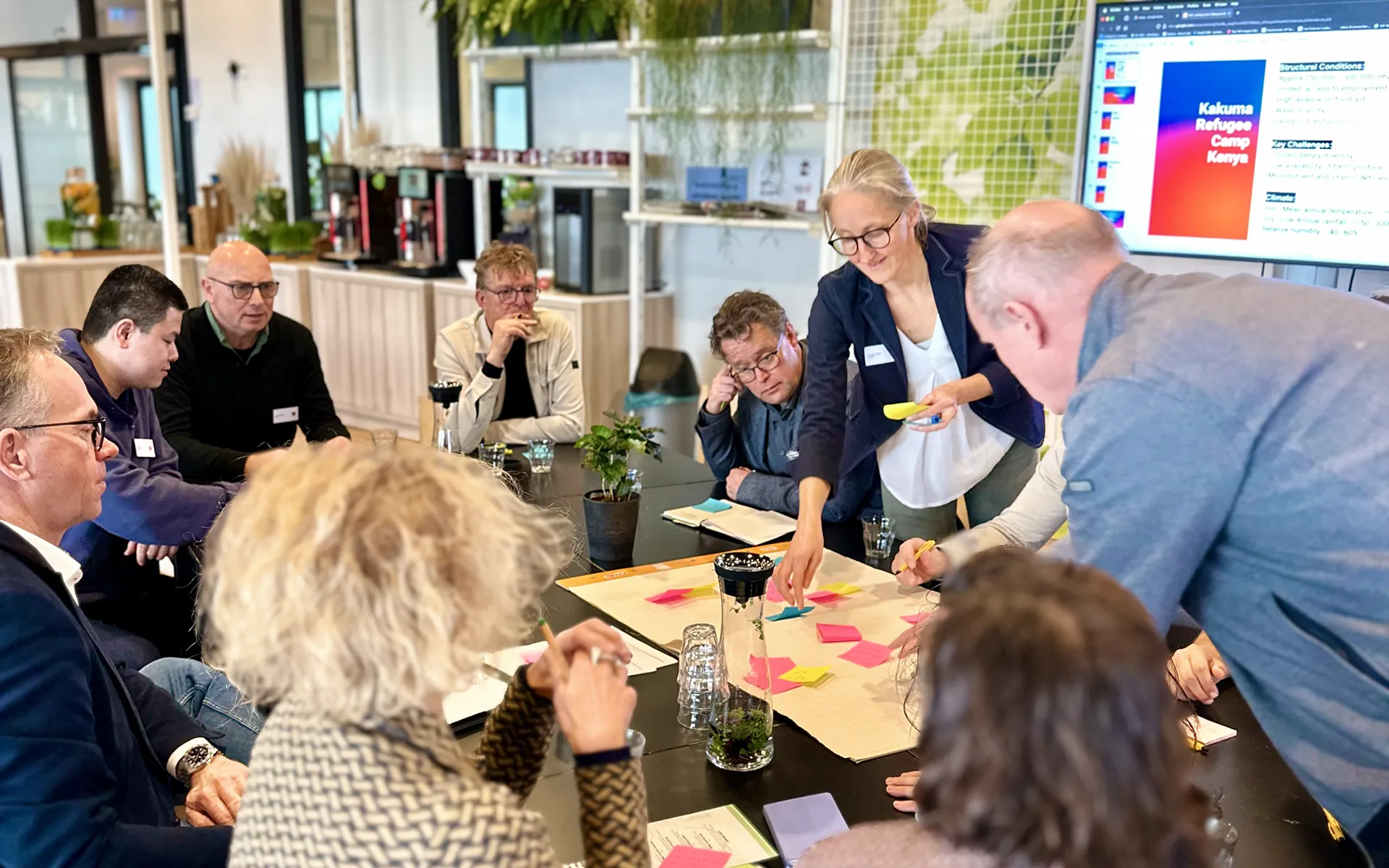
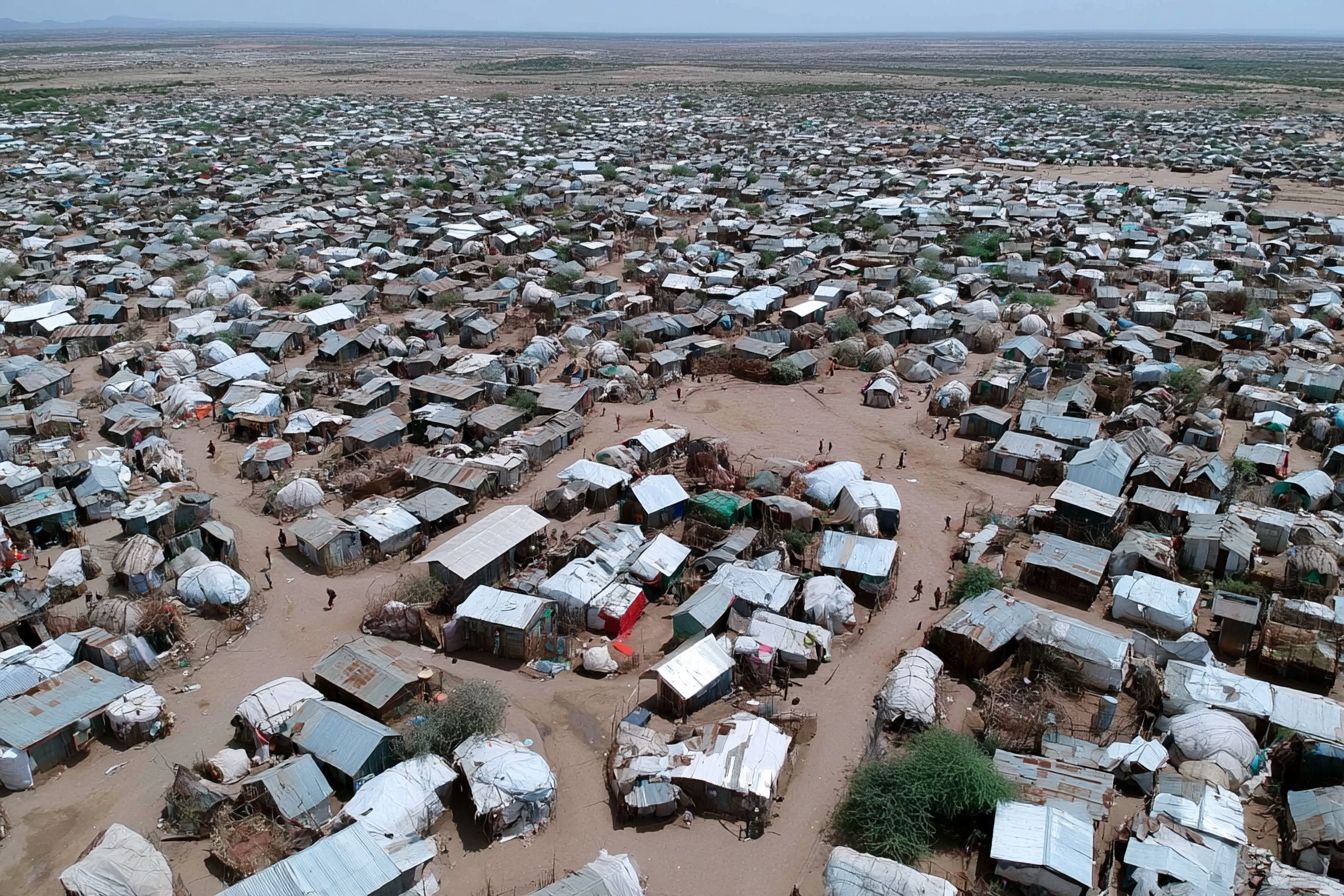
Social impact and sustainability challenges take many forms — this is one early example of what that kind of collaboration can look like. At the Hungry EcoCities closing event, we ran a workshop applying Right-Tech- and design-thinking to a specific test case: how could simple, low-energy-&-water-consuming cultivation help support food security in resource-constrained areas.
Microgreens are nutrient dense foods (from 4 to 40 times more vital vitamins, minerals, and antioxidants than the fully grown adult plants) that are fast and easy to grow from seed and can help combat malnutrition even in the most challenged parts of the world.
In this workshop we raised the bar high and focussed on Kakuma refugee camp in Kenya.
The same methodology can be applied with any deprived neighbourhood in any country. Even more so when members of the local community have an interest to be actively involved in entrepreneurship in short chain local food infrastructures.
This workshop was a first step in exploring what's possible applying Right-Tech- and design-thinking to this case. What are the real challenges at hand, what is actually needed locally and what is readily available?
We are now looking for partners: NGOs, governments, schools, and research institutions, to help us take this kind of projects to the next level, co-creating and building local food systems together with local communities.
Sustainable climate control: Passive cooling & dehumidifying
(Emerging - actively seeking partners)
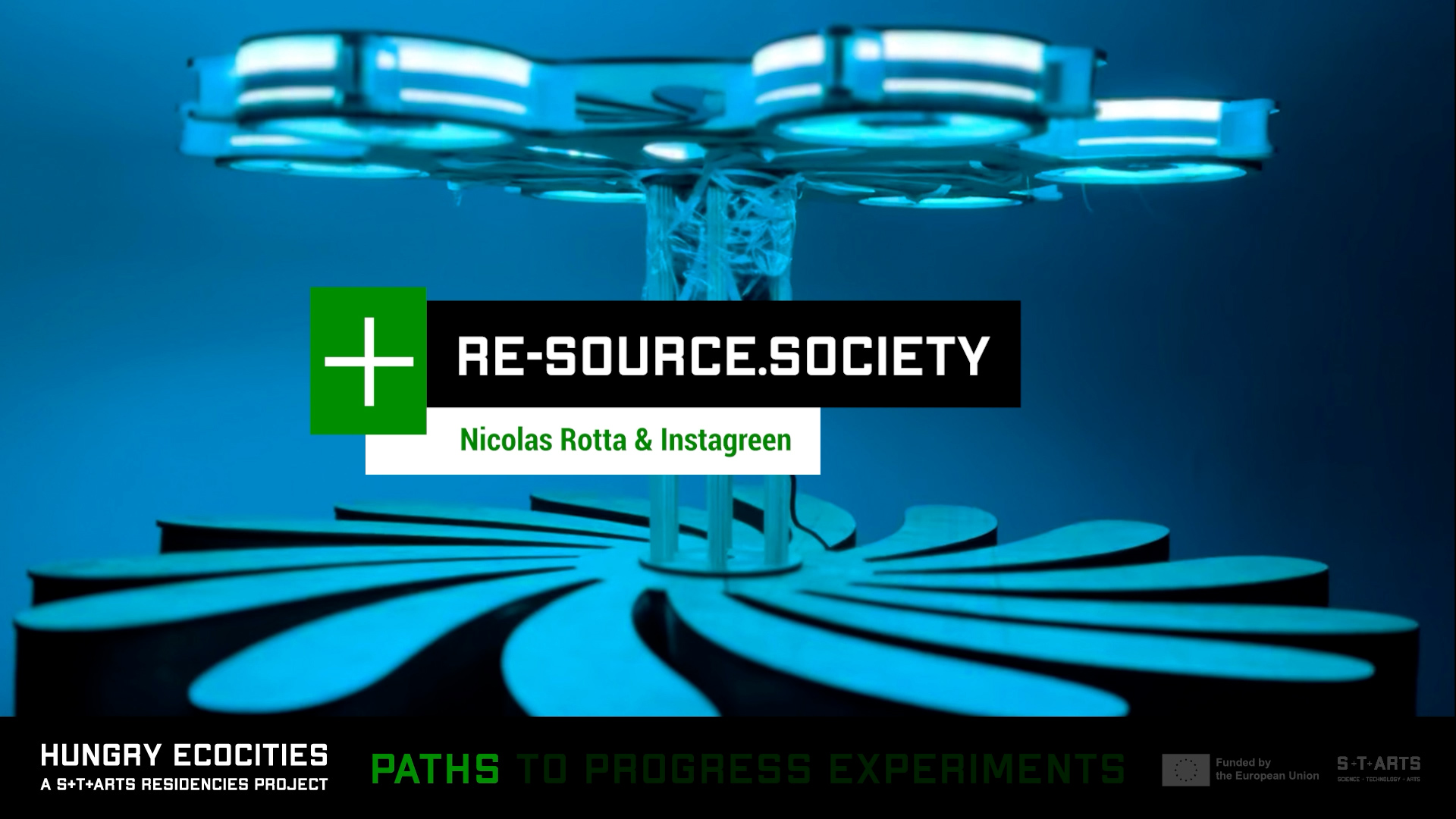
Within the European project Re.Source Society we set out to answer the question: How can we optimise climate control in indoor farms, using minimal resources?
Our hydroponic cultivation systems are low energy, run on minimal water, need no pesticides, and are designed to be set up and operated without specialist infrastructure — qualities that matter more every year as the effects of climate change intensify and resources become more constrained.
Indoor climate control HVAC solutions are commonly used in Controlled Environment Agriculture (CEA) to grow mature plants and even fruits indoor. These can require huge amounts of energy though. Similar to the energy used for HVAC systems to control indoor climates inside any building where humans or goods require specific temperatures and humidity levels.
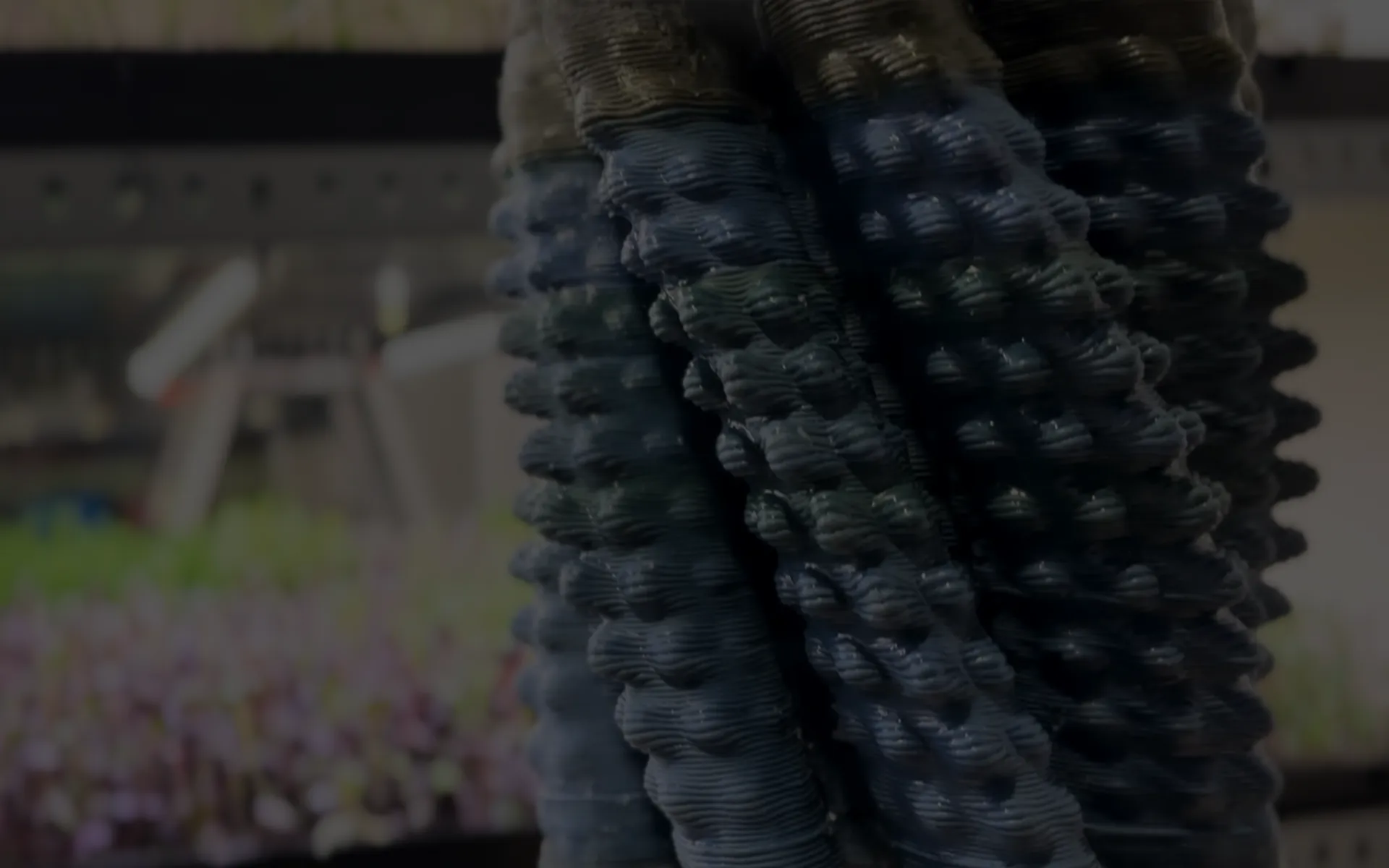
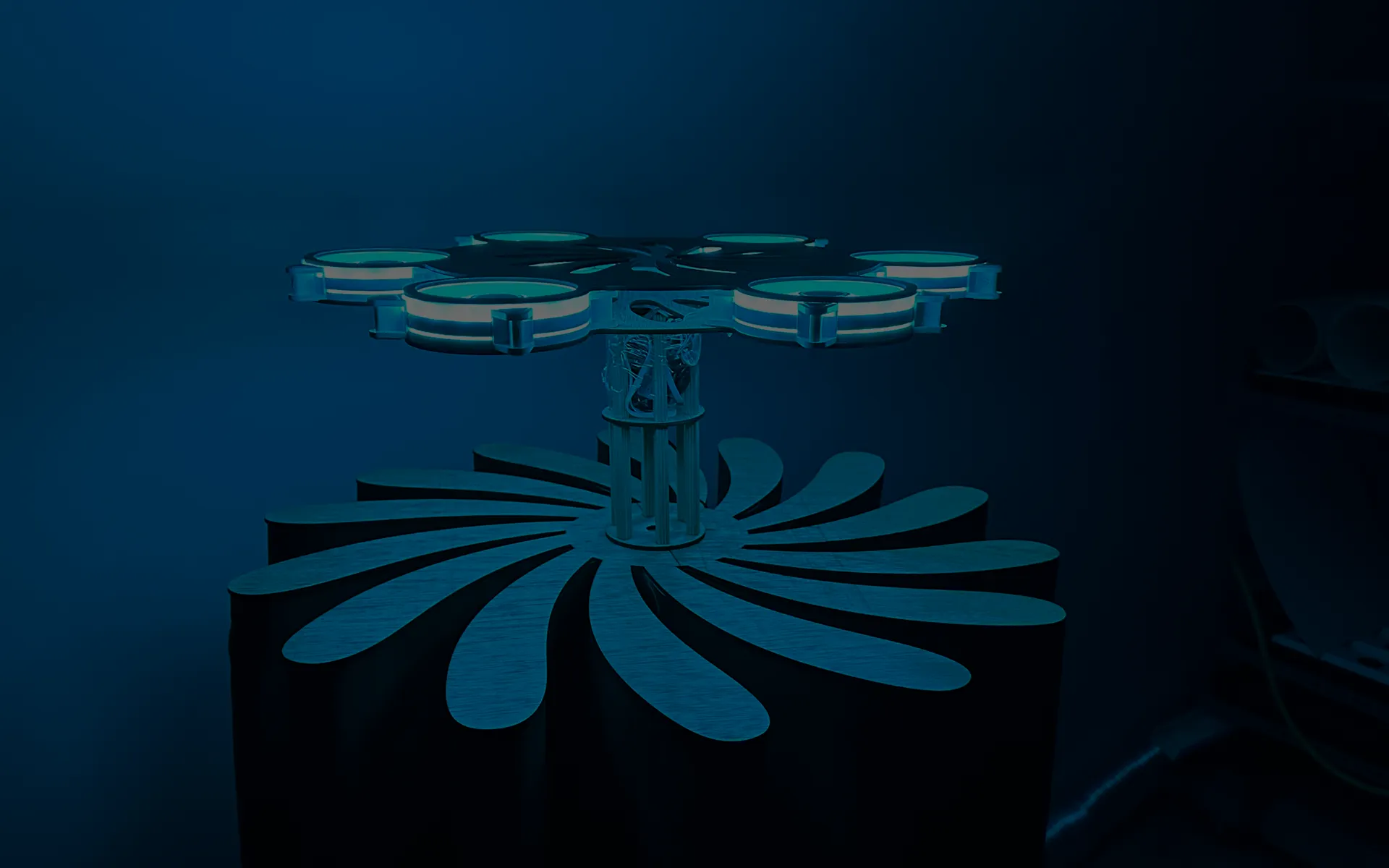
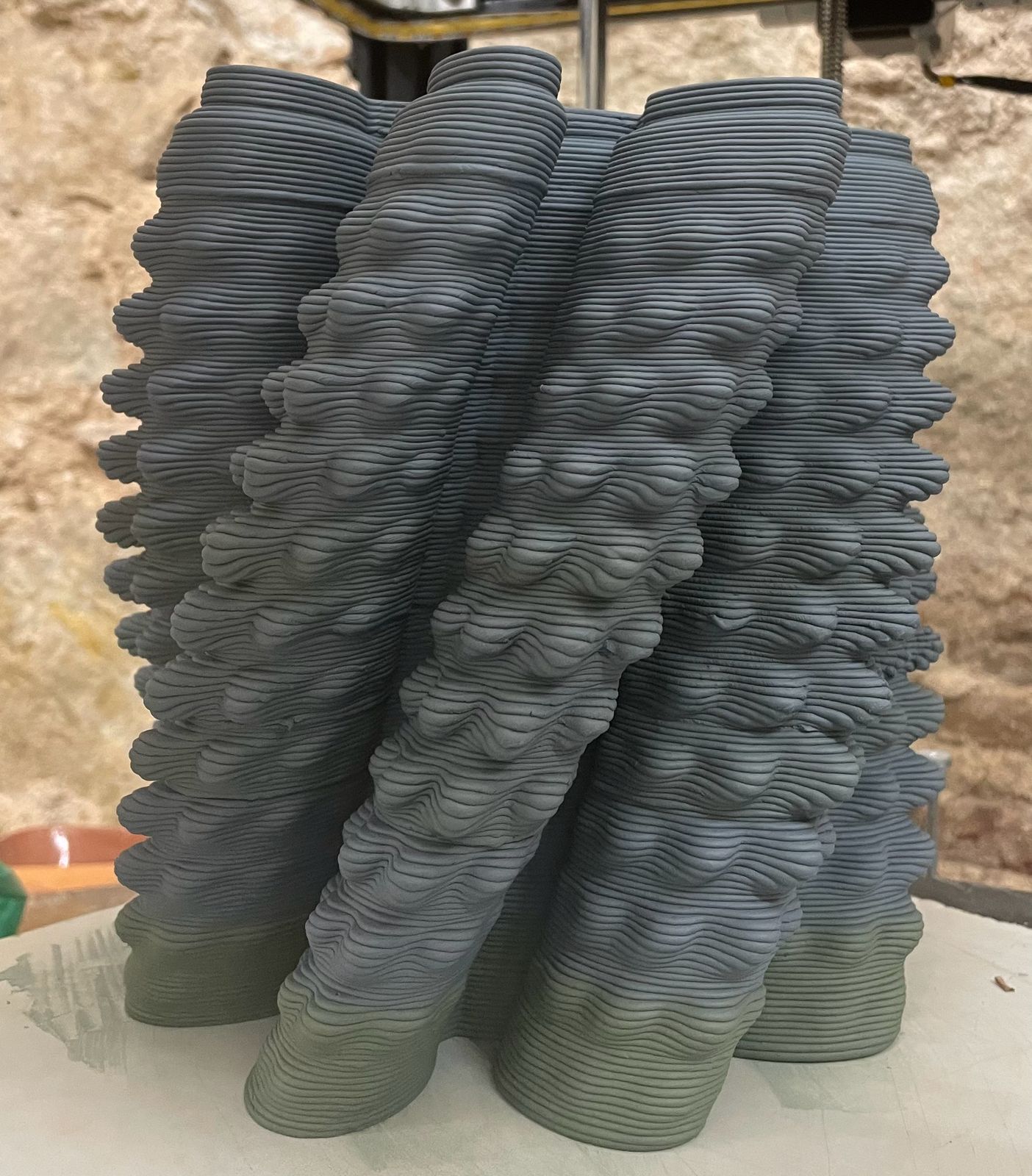
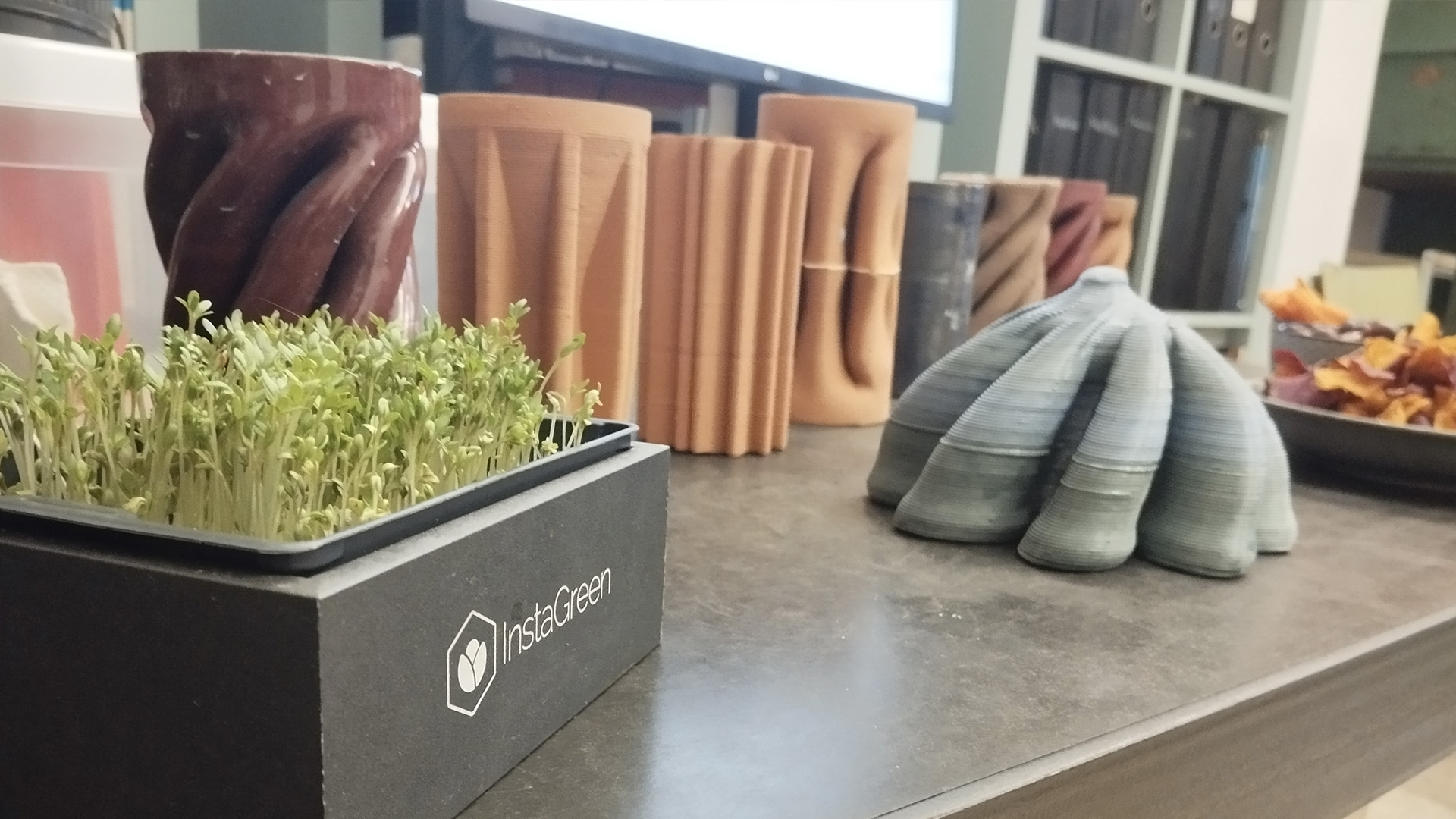
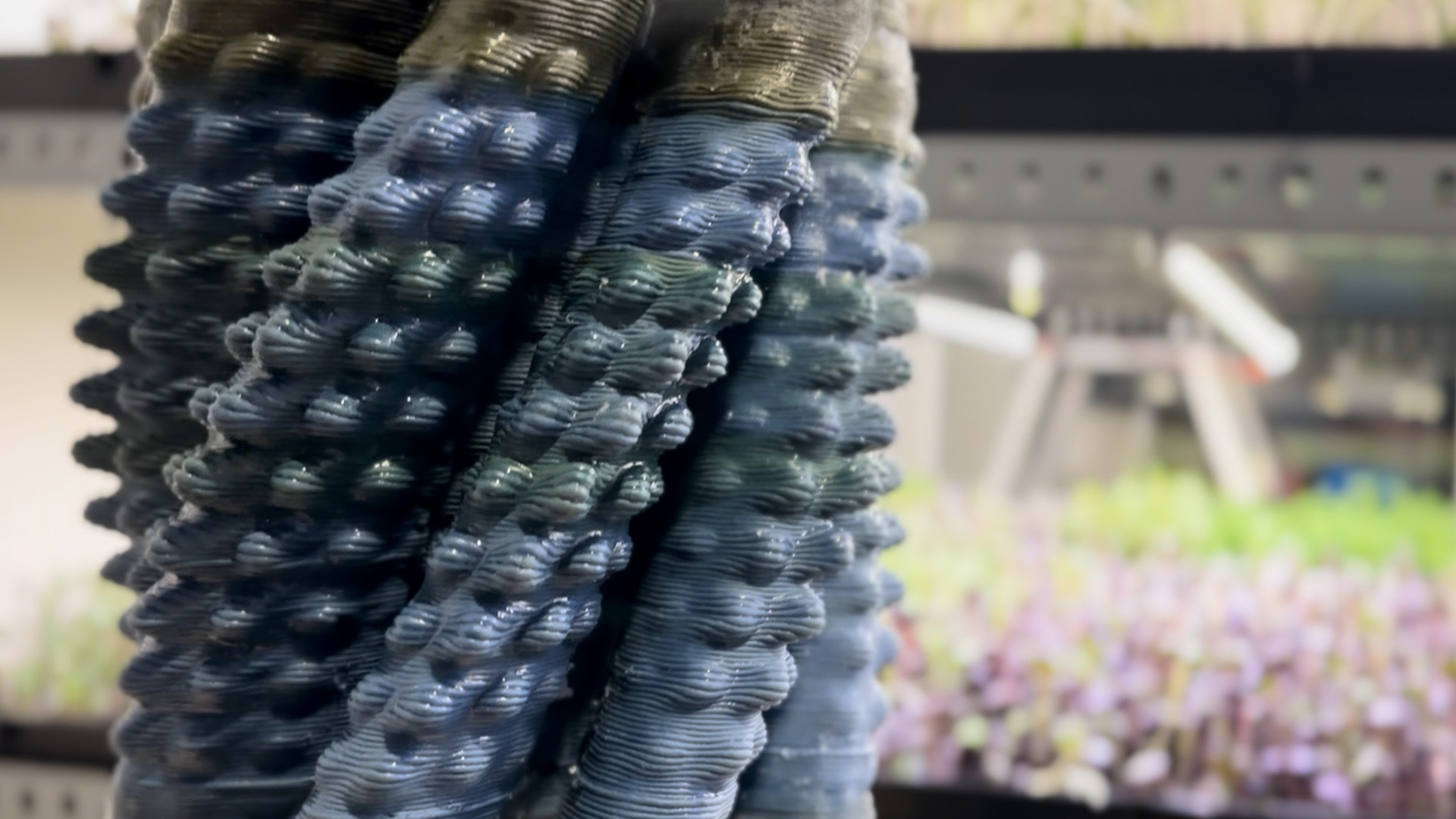
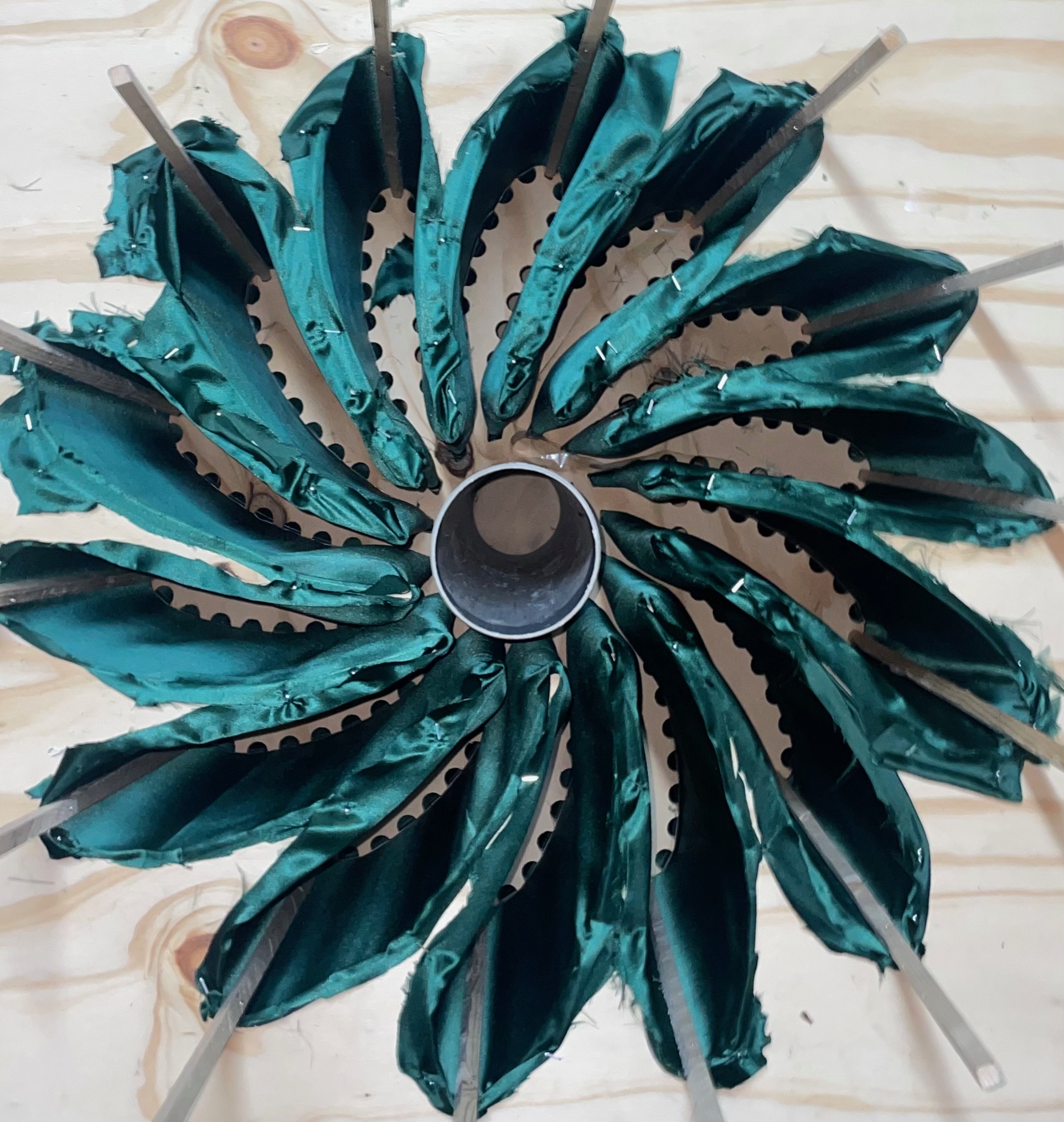
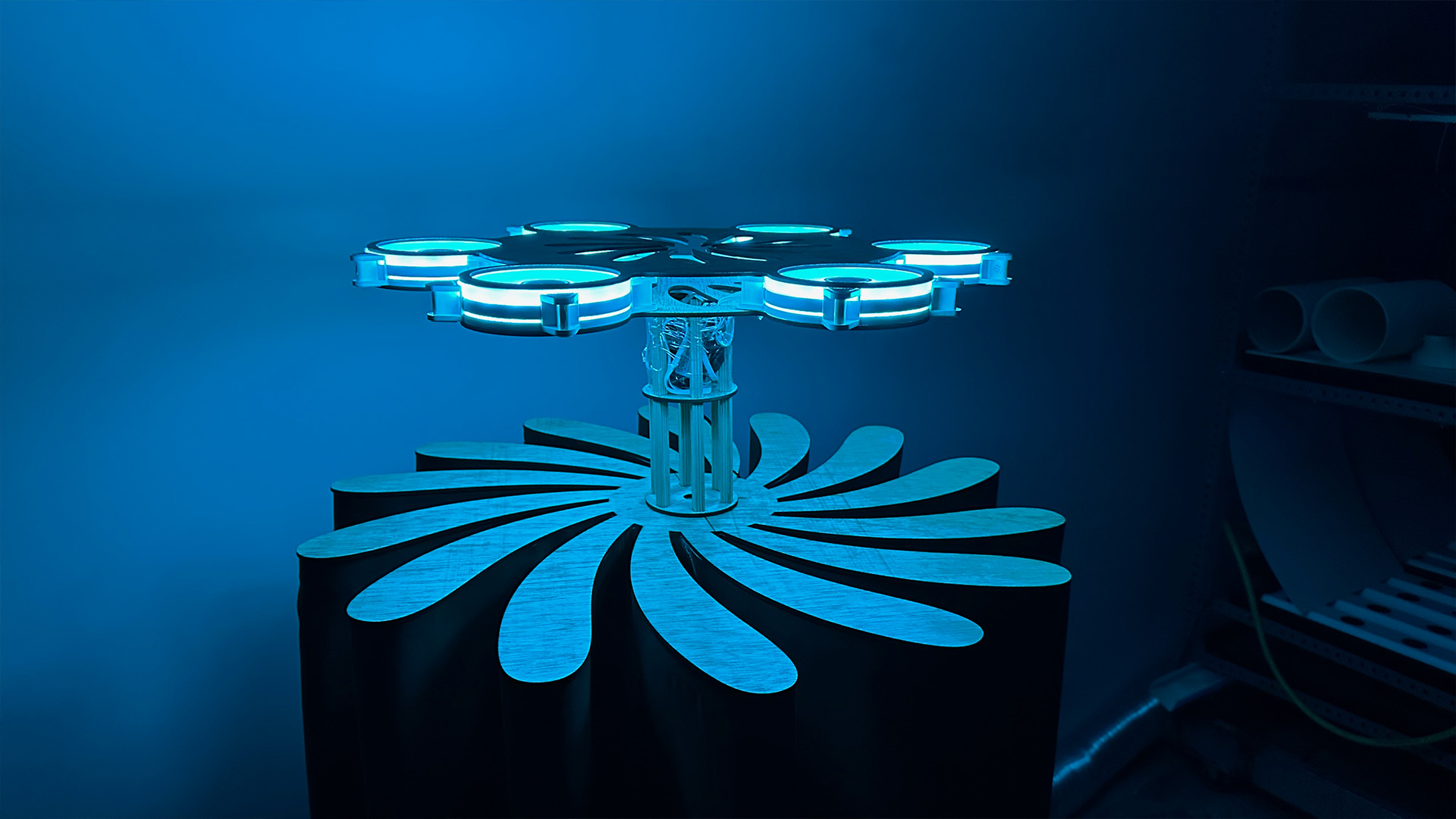
We set out to co-create a set of low-energy (near-passive) solutions for climate control with the artist Nicolas Rotta. Together we developed, tested and improved various working prototypes. We successfully separated the processes of cooling and dehumidifying so that one no longer influences the other. In addition we made optimal use of beneficial levels of either temperature or humidity or both, when available outside.
The working prototypes were tested in the InstaGreen facilities with promising results. The next step is to test and further develop these at different locations under different circumstances throughout the seasons.
We are now seeking technical partners with whom we can take these working prototypes to the next level, ultimately turning them into products that can be used for low energy indoor climate control in many different fields.
Your innovation project
The above projects are directions we have interest in to take to a further level. But perhaps you have another project in mind that we would very much like to collaborate on with you.
Do not hesitate to reach out to us hello@instagreen.eu
Let's talk!
For us innovation starts with many questions and an open mind to think differently!
Let’s talk and explore together if there is a good fit to work together.